Featured Works:
Articles Webinars and Podcasts
-
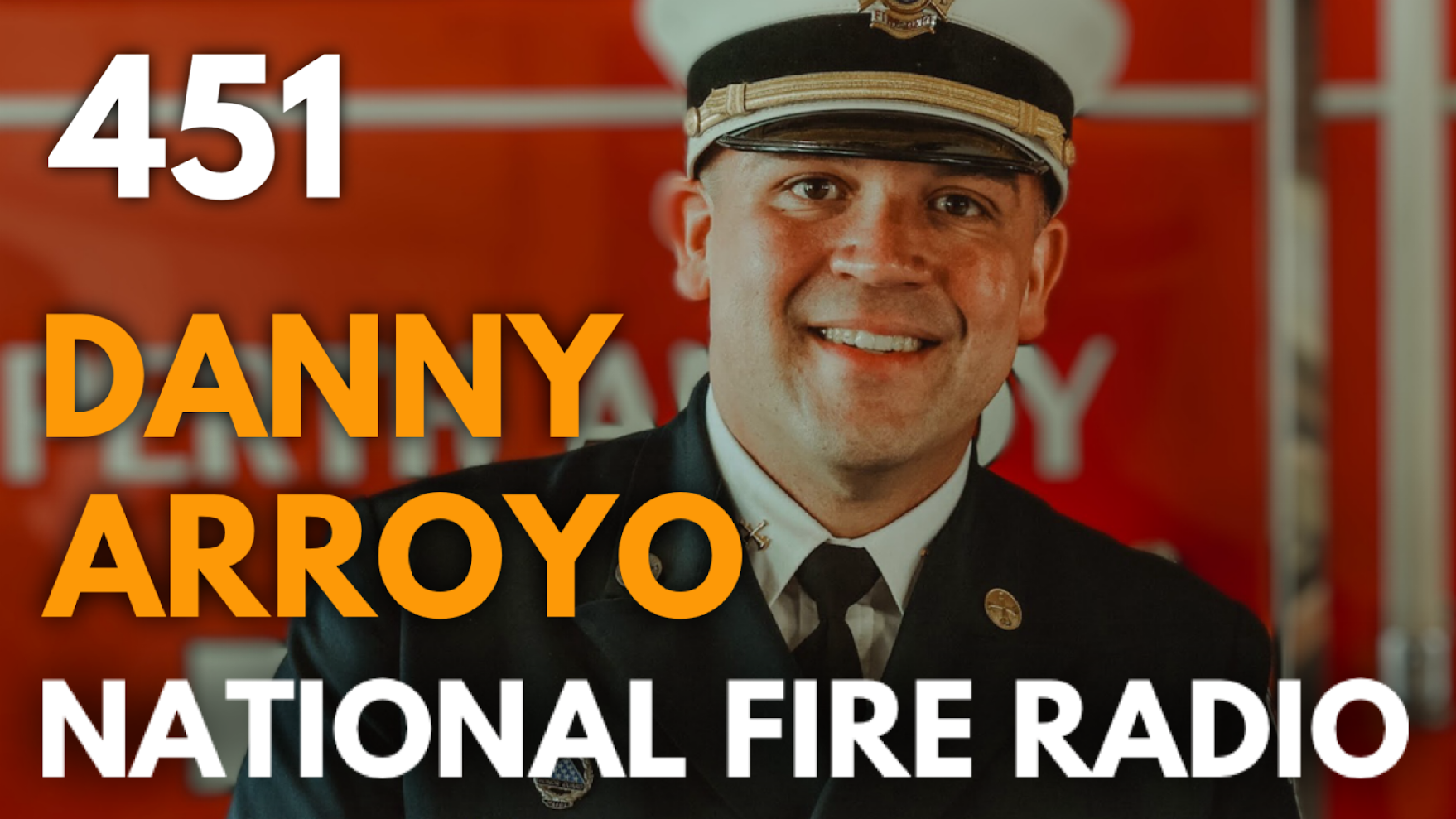
National Fire Radio Podcast
Jeremy speaks with Danny Arroyo, Battalion Chief of Training for the Perth Amboy Fire Department, about leadership and training in the fire service. Danny shares his journey from dispatcher to training chief and stresses the importance of structured training that builds confidence. He highlights the need for engaged leadership and open communication to foster a safe environment, ultimately enhancing operational effectiveness.
-
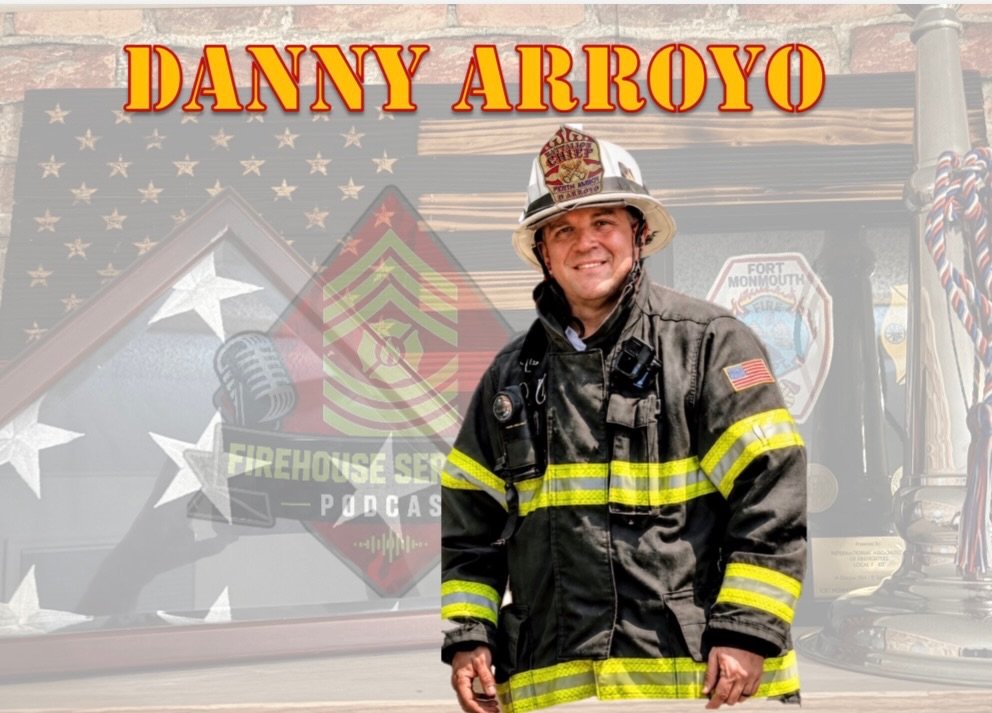
Firehouse Sergeants Podcast with Danny Arroyo
Our owner, Battalion Chief Danny Arroyo, who serves as Chief of Training for the Perth Amboy Fire Department, sat down with Nick Palumbo for Episode 8 of the Firehouse Sergeants Podcast. They discussed Danny’s fire service journey, leadership, training, mentorship, accountability, and the importance of developing the next generation of firefighters.
-
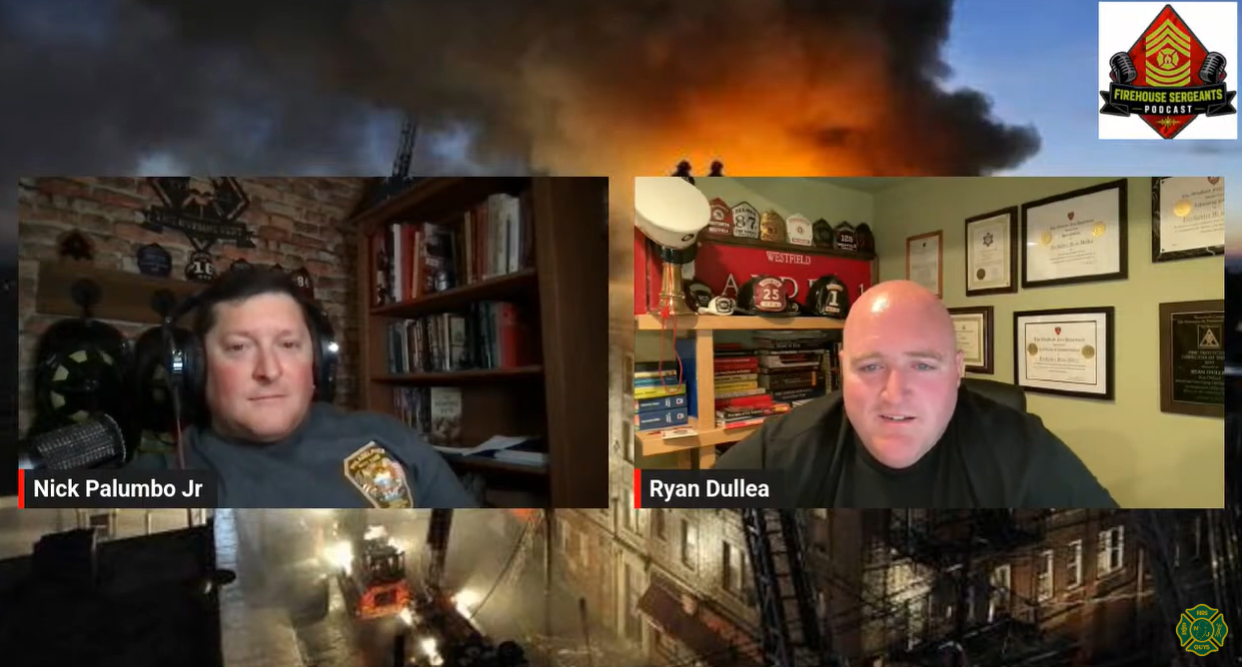
Firehouse Sergeants Podcast with Ryan Dullea
Our lead instructor, Captain Ryan Dullea, sat down with Nick Palumbo for Episode 6 of the Firehouse Sergeants Podcast. They discussed Ryan’s diverse fire service career, leadership, accountability, fire investigation, education, and the responsibility of developing the next generation of firefighters and fire officers.
-
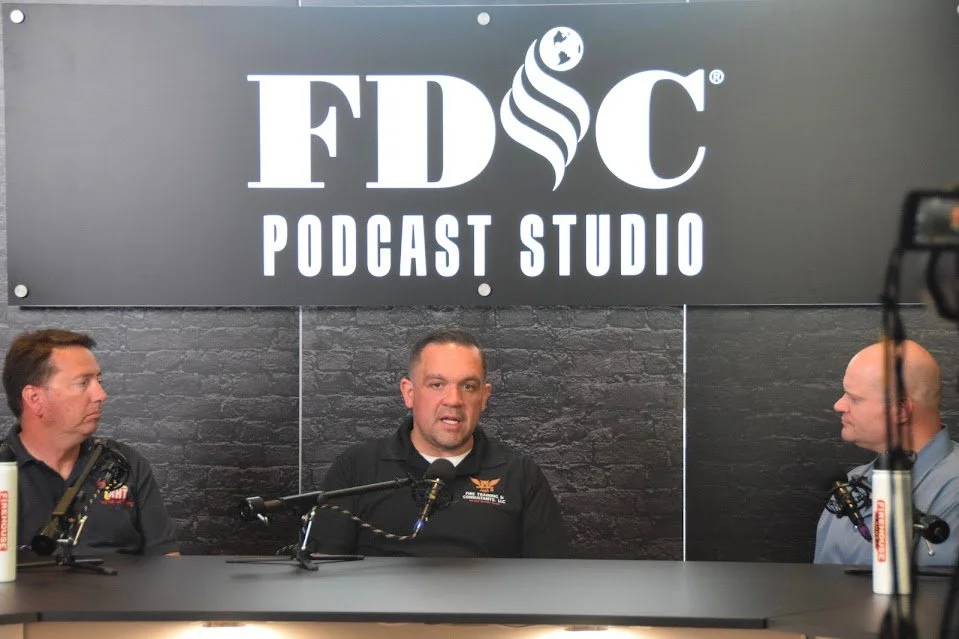
LIVE at FDIC 2026 Podcast
Our Chief of Training sits down with Dave McGlynn, Jesse Quinalty LIVE at FDIC 2026 to discuss their experiences as both attendees and instructors at the show. They also talk about training in the fire service and how and why FDIC is the best place to train firefighters. The FDIC Podcast Studio is brought to you by Firehouse Subs.
-

The Training officer POdcast July 2025
In this episode of The Training Officer, Danny Arroyo, a battalion chief with 23 years in the fire service, discusses balancing training and operational needs, promoting safety culture, and mental health awareness for leaders in fire departments.
-
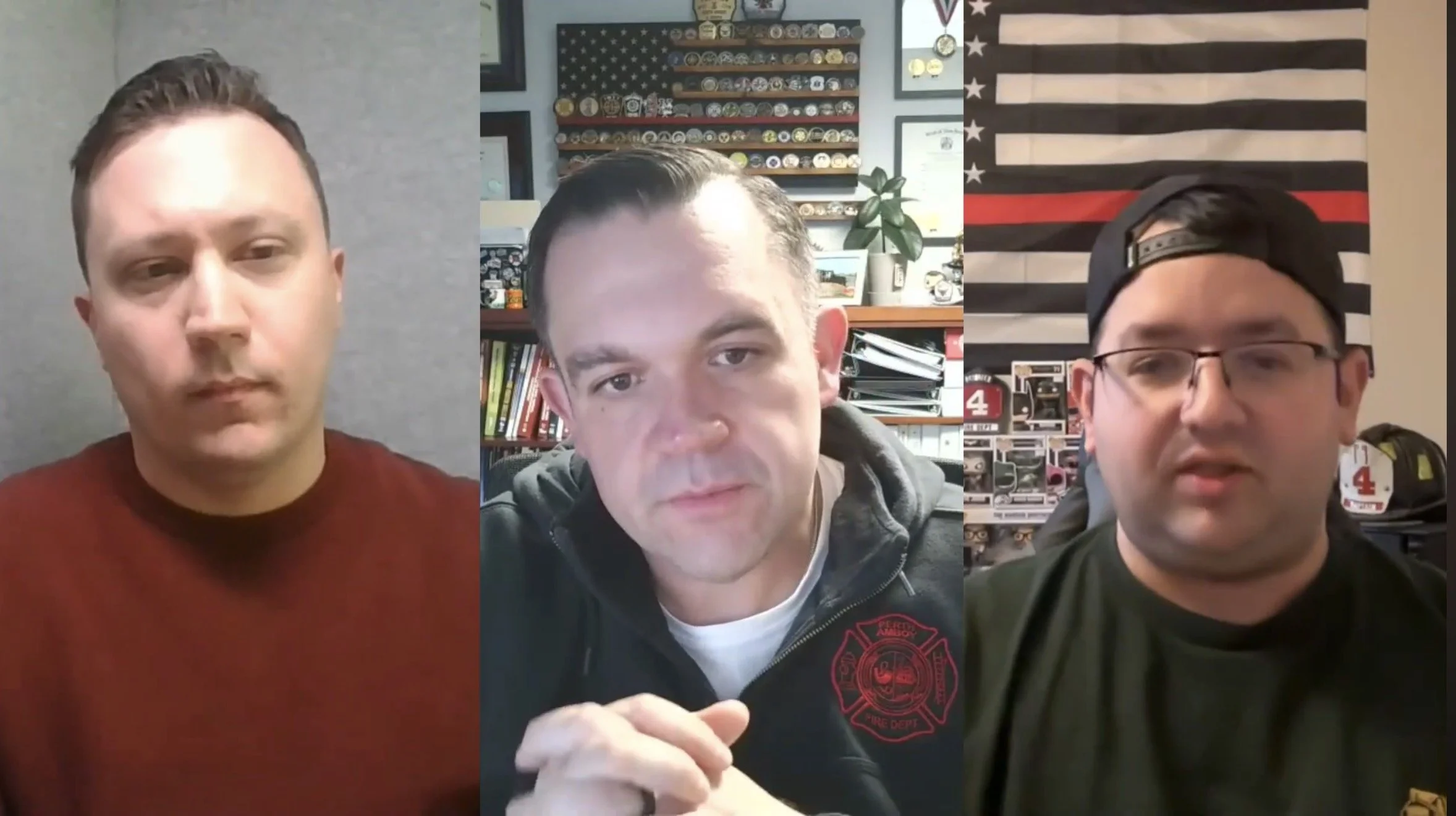
The Fire House Tribune Station Talk Podcast
On this episode, we are joined by Battalion Chief Danny Arroyo from the Perth Amboy Fire Department. Danny also serves as Chief of Training, Chair of the New Jersey FMBA Education and Training Committee, works with the National Fallen Firefighters Foundation, and runs Fire Training and Consultants LLC. We dive into training, leadership, and tactics, and more importantly how those things actually affect firefighters on scene.
-
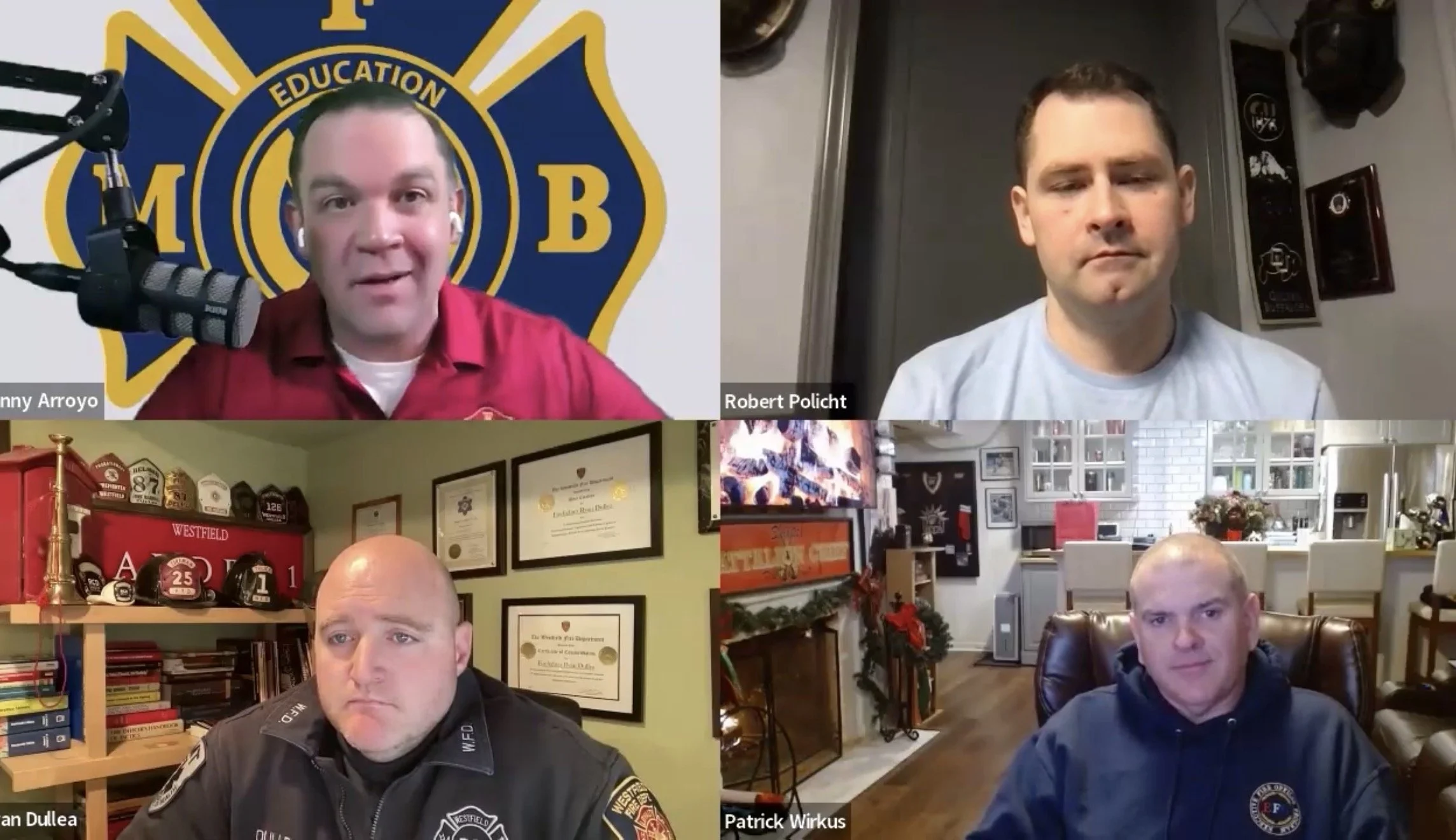
FMBA Nation Podcast Episode 62
In this episode, Education and Training Chairman, BC Danny Arroyo (Perth Amboy FD), talks with BC Pat Wirkus (Elizabeth FD), Capt. Ryan Dullea (Westfield FD), and Lt. Rob Policht (Passaic FD) about the upcoming classes they will be teaching at the 2026 NJ FMBA Educational Convention in February.
-
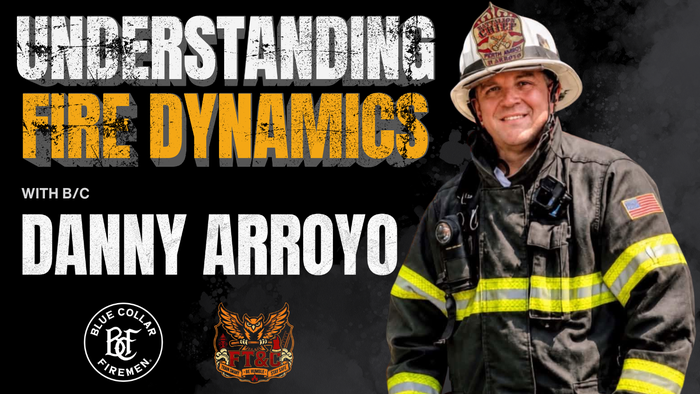
Blue Collar Firemen Webinar: "Understanding Fire Dynamics: Ensuring Safty During Hostile Fire Events"
This course provides a comprehensive understanding of fire dynamics, combustion, and flame behavior. Participants will learn about fire development, spread, and extinguishment, as well as strategies for dealing with hostile fire events. Through theoretical knowledge and practical case studies, students will enhance their ability to assess risks and develop effective responses, ensuring safety during fire incidents.
-
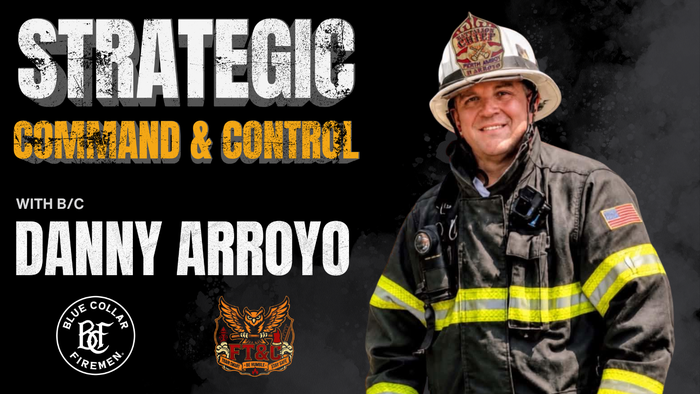
Blue Collar Firemen Webinar: "Strategic Command & Control: Tactics for Subarban Fire Operations"
This course equips fire officers to manage suburban residential incidents, focusing on large homes, townhouses, and garden-style apartments. Students learn to establish command, conduct size-ups, and communicate effectively via radio. Key topics include thermal imaging, accountability, risk-versus-benefit decision-making, and collapse awareness. Through practical examples, the course enhances fireground leadership, operational organization, and firefighter safety.
-
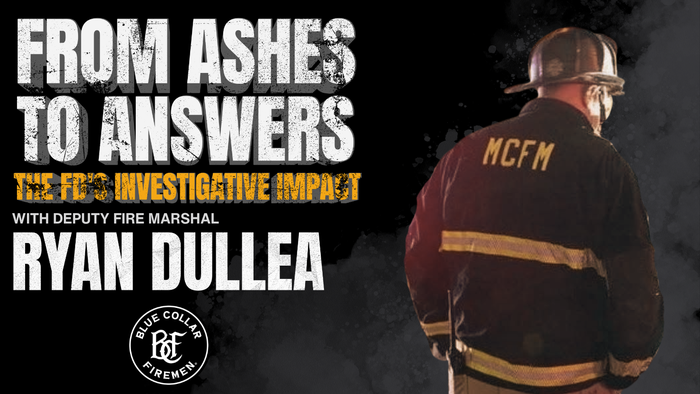
Blue Collar Firemen Webinar "Ashes to Answers: The Fire Department Investigative Impact"
“Ashes to Answers” is a focused training program that strengthens a department’s understanding of fire investigation and its operational impact. The course covers origin and cause fundamentals, fire behavior considerations, evidence preservation, and the role firefighters and officers play in supporting accurate investigations.
Designed for both company officers and firefighters, this program connects fireground operations to post-incident analysis, reinforcing accountability, safety culture, and organizational improvement.
-
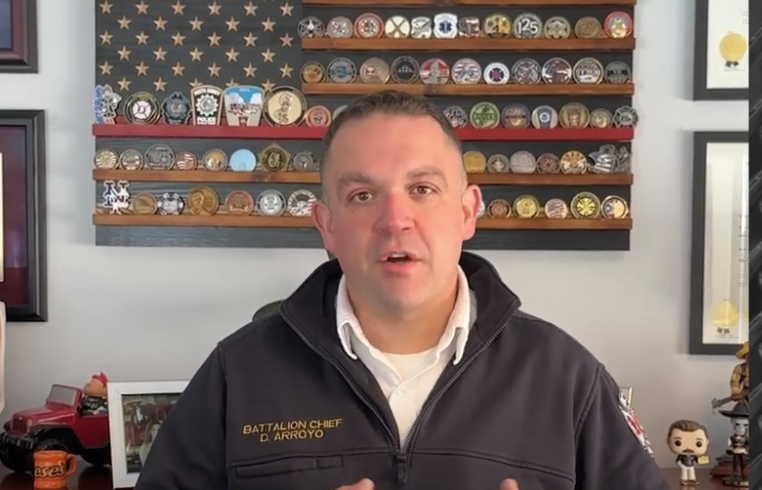
Fire Engineering Article by Danny Arroyo: Establishing a Yearly Fire Department Training Schedule
In this Fire Engineering training notebook article, Battalion Chief Daniel Arroyo outlines how to develop an effective annual training calendar that aligns with departmental goals. He emphasizes that successful training requires careful planning, clear communication, and a systematic approach tailored to organizational needs.
The article discusses starting with leadership expectations and mandatory requirements, breaking training into monthly topics, and organizing lesson plans for easy access. It also notes key considerations like weather, scheduling conflicts, and balancing practical vs. classroom training, along with the importance of safety protocols and feedback for ongoing improvement.
By following these guidelines, departments can create a consistent annual training schedule that enhances tactical skills, ensures compliance, and promotes continuous professional development.
-
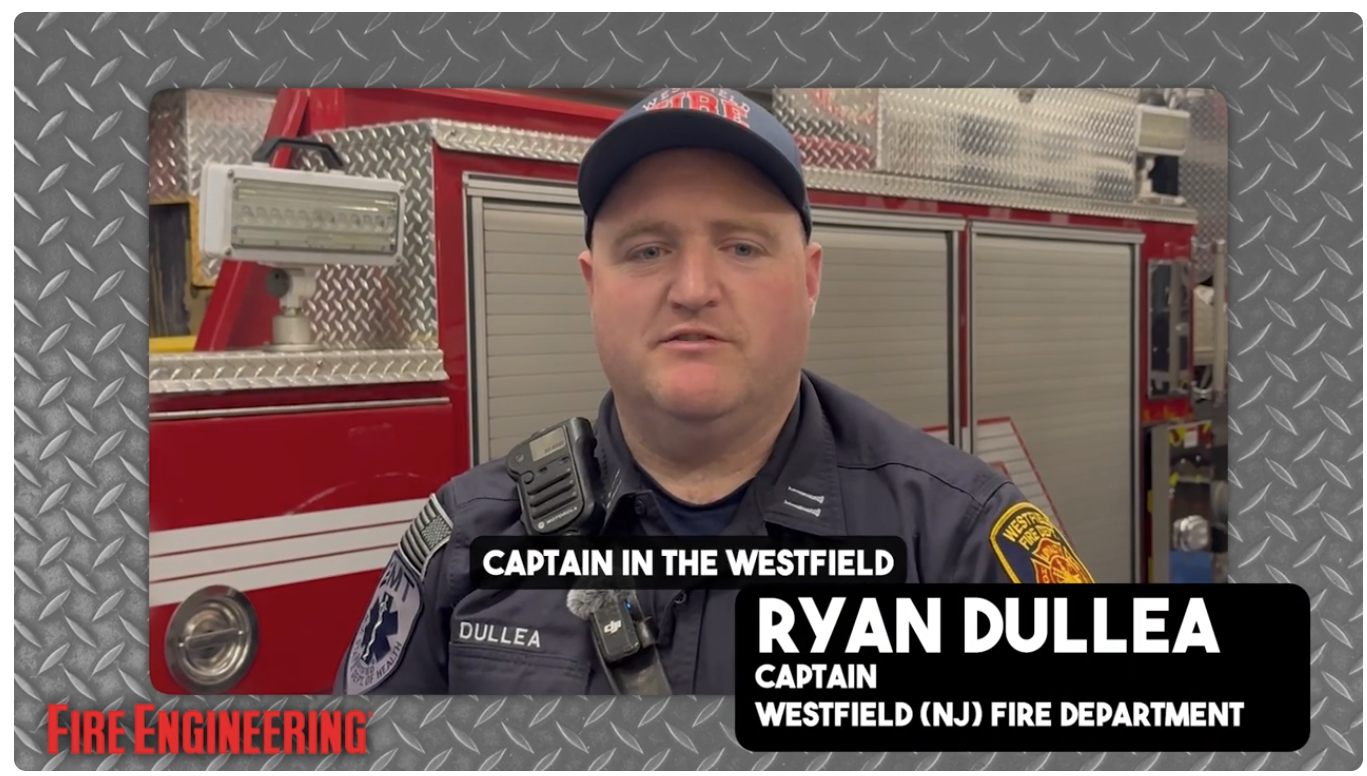
Fire Engineering Article By Ryan Dullea: "Command Decisions: Investigative Consequences"
This article explores how fireground decisions — both during and after fire suppression — directly affect the success of origin-and-cause investigations. It emphasizes that every call is a complex puzzle, and the tactical choices made by first-arriving officers and firefighters can either preserve or compromise critical evidence needed to determine what happened and why.
The piece highlights the role of the incident commander and company officers not just as leaders on the fireground, but as key contributors to the investigative process. It underscores the importance of early scene documentation, careful size-up observations, effective communication, and coordinated teamwork with investigators and other agencies to support accurate fire scene analysis.
By integrating tactical strategy with investigative awareness, the article reinforces that good command decisions extend beyond extinguishment — they shape public safety outcomes, legal defensibility, and future fire prevention.
-
Fire Engineering Article By Danny Arroyo: "ALL STOP in Action: Safety Without Rank on the Training Ground"
This article focuses on making firefighter safety the top priority during training evolutions by adopting the “ALL STOP” policy — a culture initiative that empowers every person on the drill ground to halt training whenever they identify an unsafe act, condition, or behavior. It stresses that safety cannot be dictated by rank and that every member, from probationary firefighter to chief officer, should feel confident to call an “ALL STOP” without fear of reprisal.
The piece outlines how the policy works in practice, the types of unsafe conditions that should trigger an all stop (such as improper PPE, unstable props, communication breakdowns, or fatigue), and the role of leadership in reinforcing this mindset in lesson plans and briefings.
Ultimately, the article highlights that training must remain challenging and realistic, but never at the expense of safety — and that empowering every participant to speak up fosters a stronger culture of accountability, situational awareness, and mutual protection on the training ground.
-
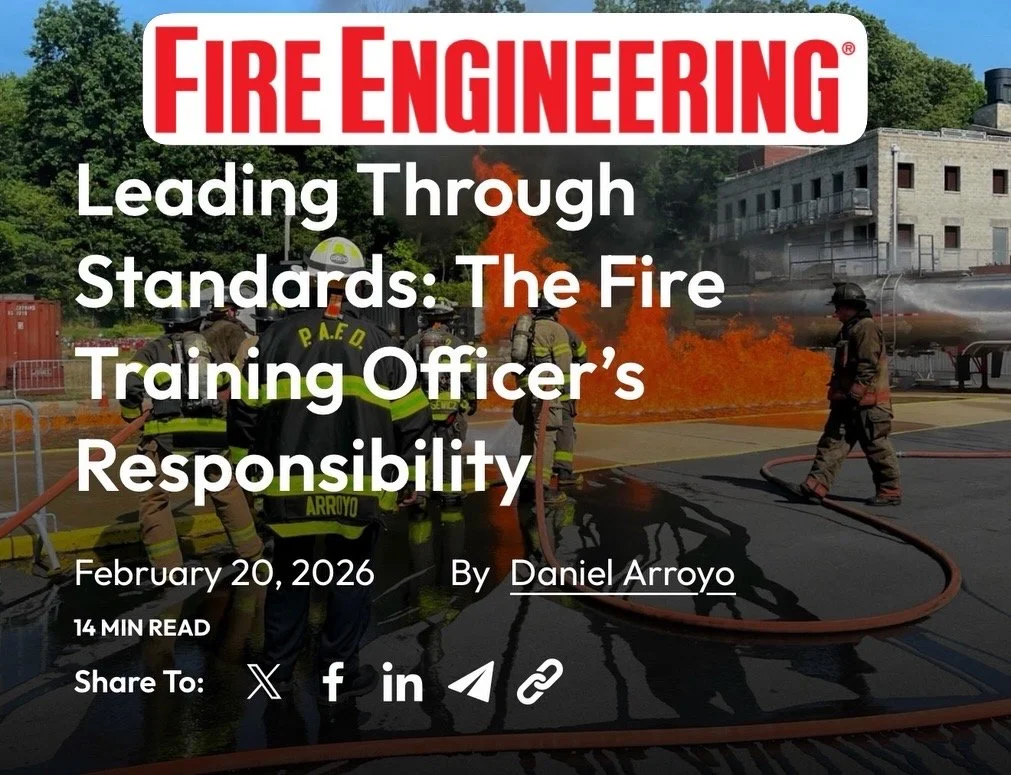
Fire Engineering Article By Danny Arroyo: "Leading Through Standards: The Fire Training Officer's Responsibility"
This article highlights the pivotal role fire training officers play in shaping a department’s culture, preparedness, and safety. It explains that while NFPA standards provide the structural framework for training, it’s the training officer who brings those standards to life through intentional planning, leadership, and accountability.
The piece outlines how modern training officers must integrate relevant NFPA requirements (including consolidated elements of NFPA 1400, 1403, 1404, 1407, 1408, 1410, and 1451) into practical training protocols that protect personnel while enhancing proficiency. It stresses that training isn’t simply scheduling drills — it’s about prioritizing safety, developing effective lesson plans, ensuring proper instruction and evaluation, and reinforcing expectations across every evolution.
Ultimately, the article reinforces that a training officer’s greatest impact isn’t only on the drill ground or in the classroom, but in fostering a culture where standards are upheld, unsafe practices are addressed, and continuous professional growth becomes the norm.
-
Firefighter Nation Article by Danny Arroyo: "Conducting your Shift Talk: Setting Expectations with Your New Crew"
This article provides guidance for newly promoted company officers on how to lead effectively from day one by delivering a purposeful shift talk. It highlights the importance of setting clear expectations, communicating your leadership philosophy, and establishing mutual understanding with your crew before the first fire call.
Readers learn practical steps for structuring an initial shift briefing, including sharing your goals, outlining standards of performance and conduct, and listening to what your firefighters expect from you as their officer. The piece also stresses that leadership begins long before emergencies arise — building trust, clarity, and accountability early helps lay the foundation for safer operations and stronger team cohesion throughout every shift.
-
Firefighter Nation Article By Ryan Dullea: "Who's Next? Developing a Fire Officer Mentor Program"
Transitioning from firefighter to fire officer is a significant milestone — one that brings new responsibilities, complex leadership challenges, and expectations that most departments don’t formally prepare their members to handle. In Who’s Next? Developing a Fire Officer Mentor Program, the focus is on building a structured mentorship framework that supports newly promoted officers as they grow into effective leaders, bridging the gap between technical proficiency and organizational leadership.
A well-designed mentor program is more than optional — it’s a strategic investment in your department’s future. It ensures that new officers aren’t left to navigate uncomfortable territory alone, but are guided through real-world decision-making, communication expectations, personnel issues, and the administrative aspects of the job with clarity and confidence. By formalizing mentorship, selecting mentors with the right experience and temperament, and setting measurable development goals, departments can create a sustainable leadership pipeline rooted in culture, accountability, and continuous improvement.
Effective mentorship benefits both individuals and the organization as a whole: it enhances retention, reinforces mission and values, supports succession planning, and ultimately elevates performance across all ranks.
-
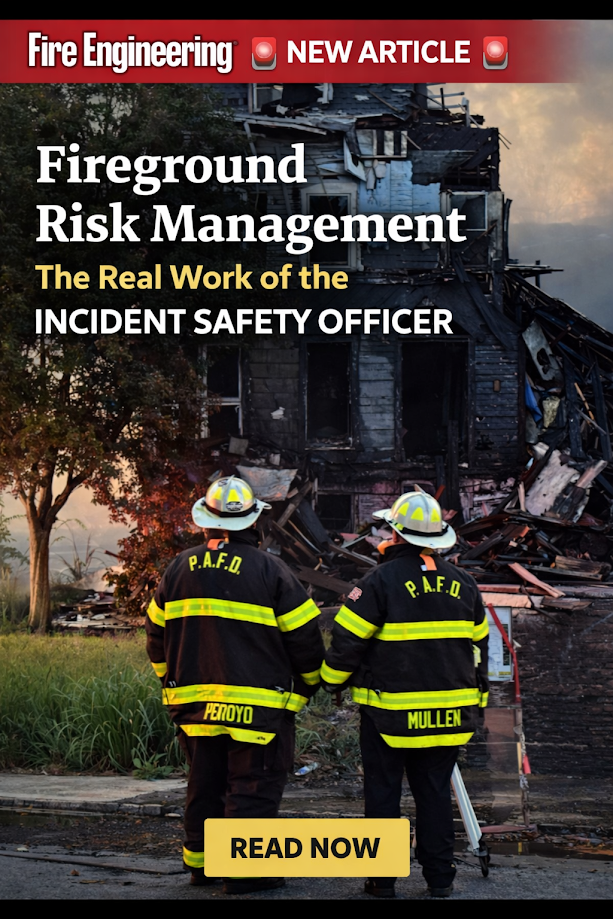
Fire Engineering Article by Danny Arroyo: "Fireground Risk Management: The Real Work of the Incident Safety Officer "
Fireground Risk Management: The Real Work of the Incident Safety Officer explains that the Incident Safety Officer (ISO) is far more than a “PPE enforcer.” The ISO serves as a proactive risk manager and strategic advisor to command—monitoring fire behavior, building conditions, crew operations, and overall incident safety. By identifying hazards, recognizing changing conditions, and recommending tactical adjustments, the ISO helps prevent injuries and line-of-duty deaths while supporting effective operations. The article emphasizes that true safety on the fireground comes from culture, situational awareness, and intelligent decision-making—not checklists alone.
-
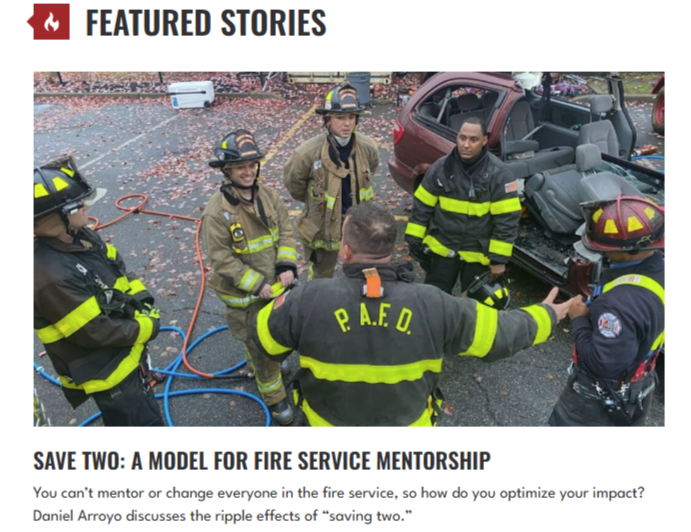
Firefighter Nation Article by Danny Arroyo: "Save Two: A Model for Fire Service Mentorship"
Save Two: A Model for Fire Service Mentorship is a leadership article that reframes how mentorship should be approached in the fire service. Rather than trying to impact everyone, the author advocates intentionally investing deeply in two firefighters who show passion, curiosity, and a desire to grow. By mentoring these two, you build a legacy of leaders who will carry the culture forward and, in turn, mentor others — creating a lasting ripple effect throughout the profession. The article emphasizes presence, honesty, accountability, and lead-by-example leadership over slogans or superficial effort. It challenges firefighters and officers to focus on meaningful relationships that develop future leaders, not just fill positions.Description goes here
-
ISFSI Article By Danny Arroyo: "Bridgehill Fire Blanket"
With the rapid rise of electric vehicles (EVs) on roadways, fire departments must evolve their approach to vehicle fire response. Traditional tactics and hoseline use often fall short when lithium-ion batteries are involved — a phenomenon known as thermal runaway, where battery cells continue burning at high heat even with limited oxygen present.
This article highlights a promising new tool in the fire service toolbox: the Bridgehill Fire Blanket Pro X. Unlike conventional fire blankets used for station or structural emergencies, this large, heavy-duty blanket can be deployed over an EV to help suppress flames, contain heat, and reduce the risk of fire spread while master streams cool the lithium cells underneath. Designed for extended incidents, the blanket supports prolonged operations and can even remain in place during vehicle transport to ensure ongoing suppression.
Through firsthand departmental deployment and training with this equipment, the article underscores the importance of adapting tactics and integrating new tools as EV fires become more common — ensuring firefighter safety and operational effectiveness in the face of evolving hazards